
City of Rehoboth Beach Director of Planning, Zoning and Development Corey Shinko Earns National AICP Planner Certification
August 6, 2026
The City of Rehoboth Beach is proud to announce that Corey Shinko, Director of Planning, Zoning, and Development, has earned his certification as an American Institute of Certified Planners (AICP) professional, becoming one of the few municipal officials nationally credentialed in both building code administration and professional planning.
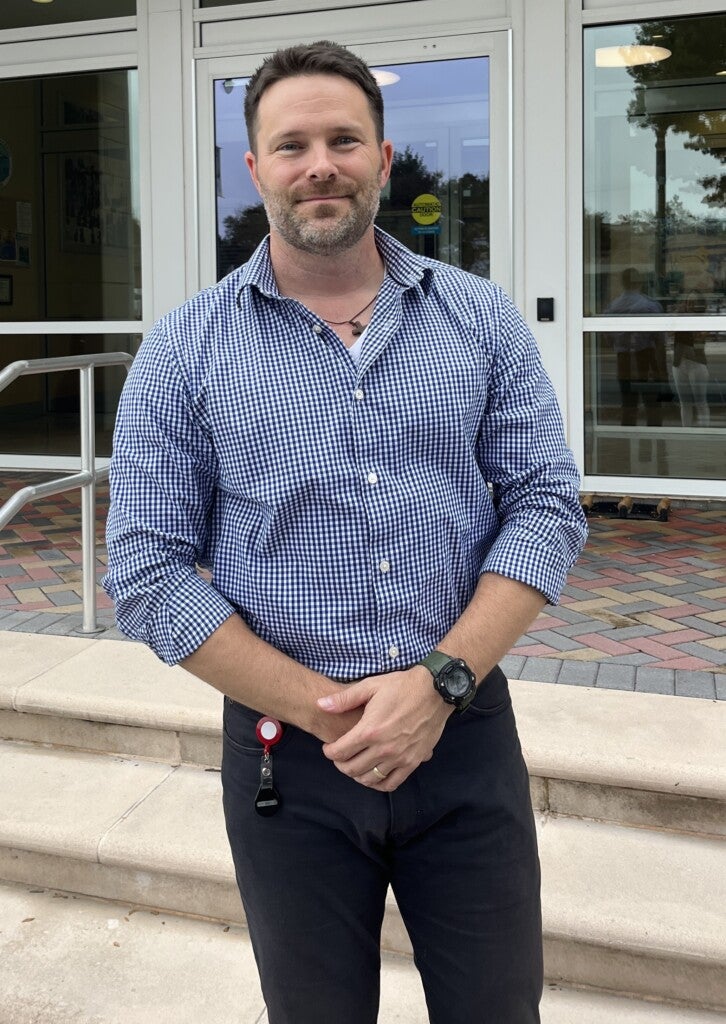
Shinko joined the City in May 2021 as Assistant Building Inspector and later served as Building Inspector before being appointed Interim Director in March 2025. He moved permanently into the director role in September 2025. Upon stepping into the interim position, he focused on stabilizing and reorganizing the department – restructuring inspection and code enforcement staffing, correcting forms, improving workflows, and standardizing departmental reports and presentations for the Planning Commission, Board of Adjustment, and City Commissioners. Those early efforts laid the foundation for Rehoboth Beach’s larger planning and modernization initiatives now underway.
Shinko currently holds 26 active International Code Council certifications, including Certified Building Official, Housing and Zoning Code Specialist, Zoning Inspector, Code Enforcement Technician, plus residential and commercial building, mechanical, plumbing, electrical, energy, accessibility, property maintenance, inspection, and plans examination credentials. He is also state‑certified as a sediment and stormwater construction reviewer. The new AICP certification adds national recognition in professional planning, complementing his extensive building code background.
Key Achievements
Shinko led development of the non-habitable basement ordinance adopted in February 2025 after identifying that the zoning code encouraged basement construction at heights prohibited by the City’s adopted building code. The two-and-a-half-year effort included research, public workshops and hearings, discussions with builders and residents, and multiple presentations to City leadership. The ordinance aligned the two codes while preserving qualifying storage and utility space for homeowners.
He also authored and led development of the Aged Building Safety Inspection Program, adopted in June 2026. The program requires certain larger and older buildings to be checked regularly by licensed engineers or architects so problems such as corrosion, water damage, loose exterior materials, or structural deterioration can be found and repaired before they become dangerous. It also allows the City to require a more limited inspection of smaller buildings when balconies, decks, stairs, railings, or other exterior features show signs of risk. The goal is to protect occupants and the public without forcing older buildings to meet every requirement of today’s construction codes simply because of their age.
Shinko also led operational improvements to the City’s annual restaurant inspection program, which combines grease-interceptor inspections by the wastewater department with permit-of-compliance inspections by code enforcement. After the two departments moved to independent early-spring inspection schedules, completed inspections increased from 70 of 111 establishments in 2025 to 98 of 107 in 2026, with 97 passing. All 67 restaurants serving alcohol also received permit-of-compliance inspections.
Modernizing Rehoboth Beach’s Planning Framework
Shinko is now leading several interconnected modernization initiatives, including the five‑year Comprehensive Development Plan review; an update to the commercial zoning ordinance (Chapter 270) with Dover, Kohl & Partners; a full rewrite of Chapter 236 governing subdivisions, site plan review, and rezoning requests; and development of a new parcel‑based zoning map and public web‑GIS system with Wallace Montgomery.
This summer, he participated in the City’s weeklong design charrette with Dover, Kohl & Partners, attending every focus meeting and public event. Residents, business owners, workers, and stakeholders shared ideas about downtown reinvestment, housing, parking, walkability, traffic, and preserving Rehoboth’s character.
“These pieces need to work together,” Shinko said, noting that the Comprehensive Development Plan provides policy direction, Chapter 270 defines physical form and land‑use rules, Chapter 236 explains how proposals move through the review process, and the new GIS system will help staff, applicants, and the public easily understand how regulations apply to individual properties.
A Rigorous Certification
The AICP exam is a national 3.5‑hour test of planning theory, history, law, research and analysis, public engagement, implementation, administration, ethics, and professional judgment. Preparing required several months of study—often late at night after his children were asleep, alongside coursework for Southern New Hampshire University.
“It was a significant commitment, but worth it,” Shinko said.
What It Means for Residents and Businesses
For property owners and project applicants, Shinko’s dual expertise means development reviews grounded in both land‑use planning and technical building requirements, helping ensure consistency, clarity, and high-quality decision-making.
“My general approach is to make sure we’re solving the right problem and serving the public interest,” he said. He described a process focused on defining issues, reviewing authority, gathering data and public input, comparing alternatives, and weighing legal, fiscal, operational, and long-term impacts. “The goal is the narrowest workable solution that can be explained transparently, implemented fairly, monitored over time, and adjusted if needed.”
Shinko noted that none of this work is possible without strong administrative support. “[City Manager] Taylour [Tedder] and the Commissioners have supported professional development from the start,” he said. “The studying happened on my own time, but my family carried more of it than anyone.”
“We are so proud of not only this accomplishment by Corey, but of all of his accomplishments in this role,” said Tedder. “Corey and his department are constantly looking for ways to improve planning, building, and licensing here in the City of Rehoboth Beach. We are very lucky to have his leadership and expertise.”
AICP is the nation’s only recognized professional credential for urban and regional planners. Maintaining the certification requires continuous education, including credits in ethics, planning law, equity, and sustainability.


